
Action4Commons Consortium Meeting in May 2026
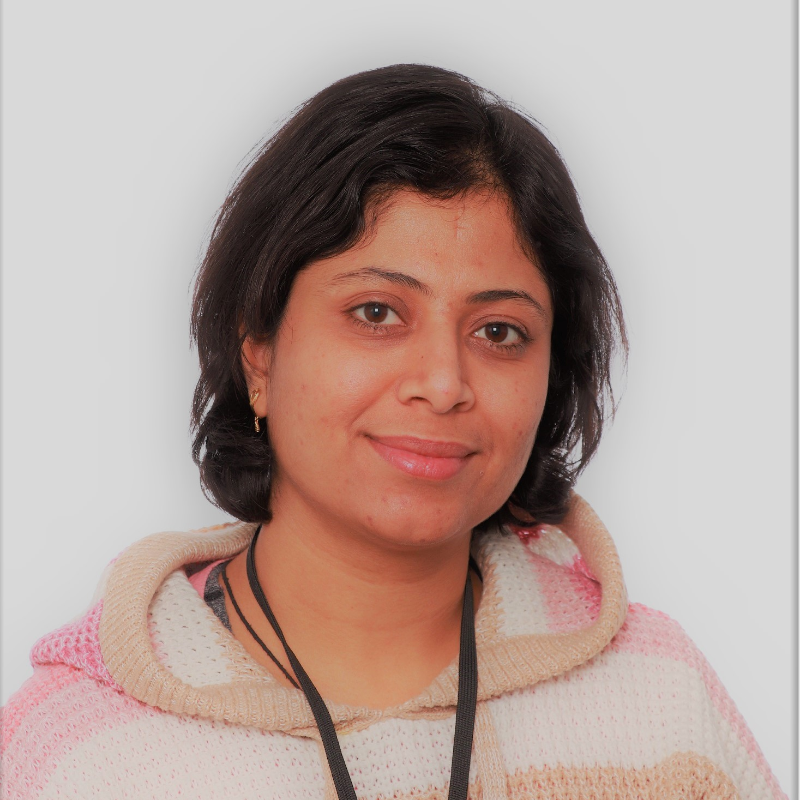
The Action4Commons consortium meeting in Lappeenranta brought together researchers from Tampere University and LUT University to reflect on the project’s progress, exchange ideas, and further develop shared understandings of biodiversity as commons.
The hybrid meeting began after lunch on May 4 with progress reports on the research conducted by both teams. The meeting agenda had been circulated in advance by the LUT team and included several topics for discussion.
To start, the project progress reports reflected promising research outputs that could advance the field of biodiversity as commons. One of the most common patterns observed is the lack of prior research on biodiversity in the field of management and organization studies. Although research is emerging, further efforts are needed as the topic is nuanced and complex. Businesses are developing terminology around biodiversity, and this is where scholars play an important role: researchers can provide the appropriate knowledge and language so that industries, organizations, and institutions can speak about biodiversity in a shared and coherent way.
A similar ambiguity around the concept was identified by Professor Rajat Panwar during his keynote speech at the Responsible Business Research Seminar 2025 at Tampere University. The lack of research in the field has led us to explore several questions during the project with an aim to develop a better understanding of business-biodiversity relationship, of the role of stakeholders and stakeholder engagement in biodiversity protection, and of polycentricity as a form of biodiversity governance.
The LUT team first presented their progress and shed light on one of their upcoming research articles on planetary boundaries as a core business context, with a focus on the mining industry. Methodological challenges were identified as a major barrier to the operationalization of the planetary boundaries framework. Several aspects of the research were discussed during and after the presentation. For example, it was noted that it may be worthwhile to focus on a specific planetary boundary, such as biodiversity loss, which is the main concept of our project and highly relevant in the mining context.
The TAU team presented upcoming events and plans to bring together the research findings of several papers. A visiting doctoral student at Tampere University, Emmanuel Dzage, also joined the team and presented his research idea during the meeting. His research focuses on artisanal mining in Ghana, where many unregulated local and small-scale mining activities cause social, environmental, and economic problems. This is a very interesting case for the Action4Commons project, as it offers an opportunity to examine biodiversity-related challenges in the global south context.
On the second meeting day, the LUT and TAU teams presented their research articles targeted to a special issue of the Organization & Environment journal. The article of the LUT team reflect on how understandings of biodiversity differ between policy documents and management research, using topic modelling as an analytical tool, while the TAU team research addressed the use of stakeholder theory in biodiversity protection. Both papers received ample of ideas on how to develop the articles further.

Participants from TAU and LUT teams at Lappeenranta (Photo: Lotta Sihvo Matikainen)
The meeting concluded with a planning session for upcoming activities. Members agreed to collaborate on activities:
Discussed about writing a final publication for the project.
Shared ideas on organizing a joint webinar for stakeholders at the end of the project.
These steps aim to keep the momentum going and ensure that the consortium remains a dynamic and supportive network.
The Action4Commons Consortium Meeting at LUT University demonstrated warmth of wonderful spring season with the power of bringing diverse actors together to work toward common goals.
Warm thanks for the LUT team for organizing this inspiring seminar!


Comments